
Nile Cruise Luxor to Aswan: Route, Itinerary and Stops
In short
The Luxor to Aswan Nile cruise route explained: the main stops at Esna, Edfu and Kom Ombo, a typical 4-night itinerary, how 3-night and 4-night sailings differ, and what is usually included.
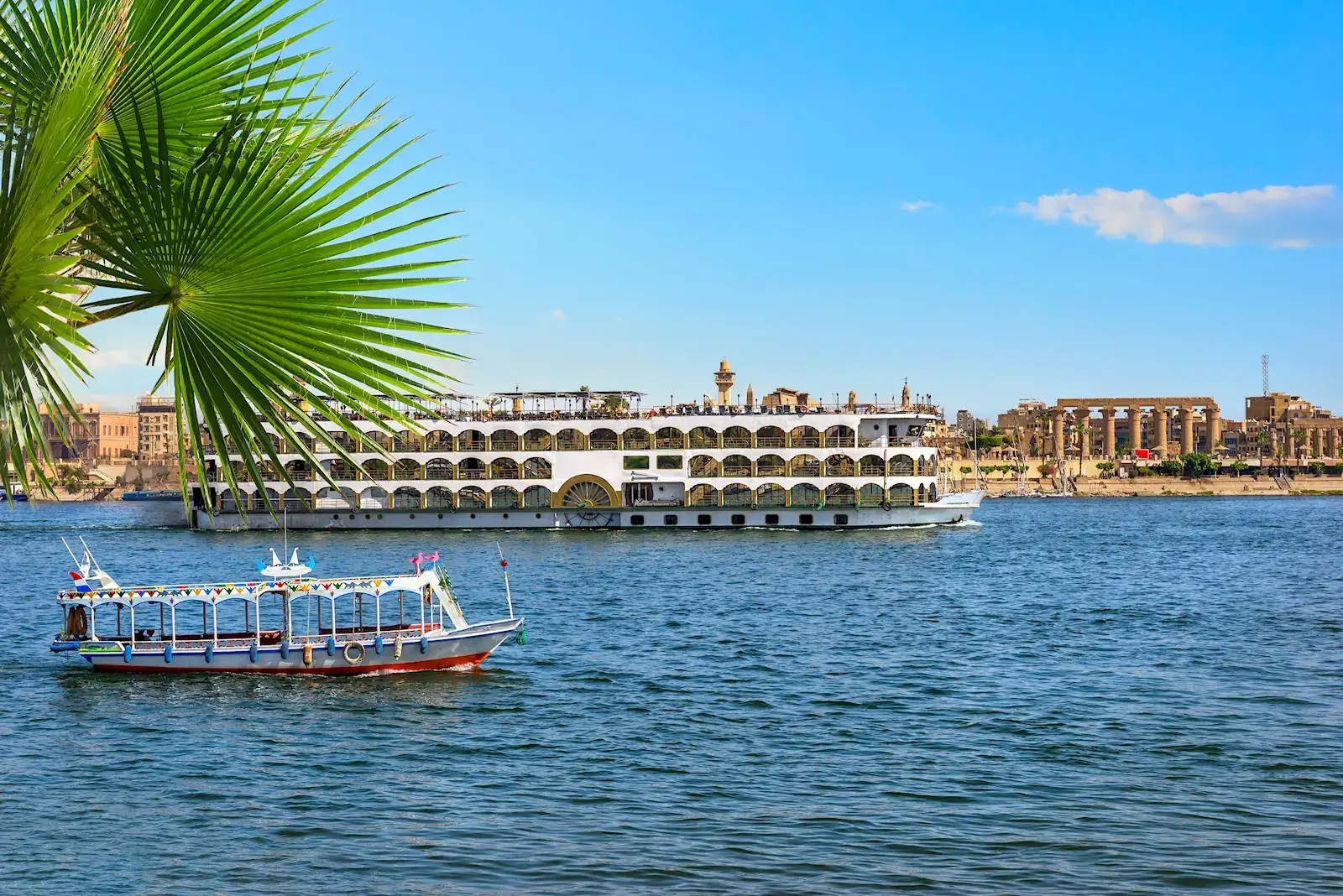
A Nile cruise from Luxor to Aswan is the classic way to see Upper Egypt. The great temples of this stretch of the river were built along its banks, so a boat that sails between them does something no land itinerary quite matches: it takes you to the sites in the order they were meant to be approached, and it carries your hotel with you. This guide covers the route itself, the stops along it, what a typical four-night sailing looks like day by day, and how to decide between the options.
Why people love it
A cruise bundles transport, accommodation and sightseeing into one stretch of your trip. You unpack once, the temples come to you in sequence, and the hours in between are spent watching rural Egypt drift past from the deck.
The Luxor to Aswan Nile cruise route
The cruising Nile is a roughly 200 kilometre stretch between Luxor and Aswan. Almost every boat on this route follows the same sequence of moorings, because the temples themselves dictate it. Sailing south from Luxor to Aswan means travelling upstream, against the current, which is part of why this direction is normally given an extra night.
| Stop | Main draw | Usually visited |
|---|---|---|
| Luxor | Karnak, Luxor Temple, Valley of the Kings | Start of the cruise |
| Esna | River lock, Temple of Khnum | Transit, sometimes a short stop |
| Edfu | Temple of Horus | Morning excursion |
| Kom Ombo | Double temple on the riverbank | Late afternoon |
| Aswan | Philae Temple, High Dam, Nubian villages | End of the cruise |
The order reverses if you sail from Aswan, but the stops are the same. What changes between operators is how long the boat lingers at each mooring, whether Esna is a working transit or an actual visit, and which optional excursions are offered at either end.
Main stops between Luxor and Aswan
Luxor
Luxor holds the densest concentration of monuments anywhere on the route, split across two banks. On the east bank stand Karnak, a vast complex built and rebuilt over roughly two thousand years, and Luxor Temple, smaller and particularly good in the late afternoon. The west bank holds the royal burial ground: the Valley of the Kings, the terraced Temple of Hatshepsut, and the Colossi of Memnon standing alone in the fields.
Because there is so much here, most Luxor to Aswan cruises spend the first night or two moored at Luxor before sailing at all. That is a feature rather than a delay.
Esna
Around 55 kilometres south of Luxor, Esna is where boats pass through a lock that steps them up to the next level of the river. The transit itself is worth being on deck for. Esna also has the Temple of Khnum, which sits well below modern street level in the middle of town, though whether your itinerary stops for it varies. Waiting time at the lock depends on river traffic.
Edfu
Edfu is home to the Temple of Horus, the most complete ancient temple in Egypt. Because it was buried in sand for centuries, its roof, walls and carved inscriptions survived largely intact, which makes it the best place on the route to understand how a temple actually worked. It sits a short ride inland from the mooring, traditionally covered by horse-drawn carriage, though transfer arrangements change.
Kom Ombo
Kom Ombo is unusual twice over. It is a double temple, mirrored down its central axis and dedicated to two gods at once, Sobek the crocodile deity and Horus the Elder. It also stands directly above its own mooring, so you step off the boat and walk up to it. Cruises often schedule it for late afternoon or early evening, when the light is at its best. A small museum nearby displays mummified crocodiles recovered from the area.
Aswan
Aswan is gentler than Luxor: a wider, rockier, more scenic river with Nubian villages along the banks. The headline site is Philae Temple, which was moved stone by stone to Agilkia Island when the High Dam flooded its original home and is reached by a short boat transfer. Aswan also offers the High Dam, the Unfinished Obelisk in its ancient granite quarry, and a felucca sail around Elephantine Island. Abu Simbel lies much further south and is almost always a separate excursion rather than part of the cruise.
Typical 4-night Luxor to Aswan cruise itinerary
Most four-night sailings follow a shape close to this. Treat it as the common pattern, not a schedule.
| Day | Where | Typical programme |
|---|---|---|
| Day 1 | Luxor | Board, then Karnak and Luxor Temple. Moored overnight |
| Day 2 | Luxor to Esna | West bank in the morning, then sail and transit the lock |
| Day 3 | Edfu and Kom Ombo | Temple of Horus, sail on, Kom Ombo later in the day |
| Day 4 | Aswan | Arrive, then Philae, the High Dam and the Unfinished Obelisk |
| Day 5 | Aswan | Disembark after breakfast, optional Abu Simbel add-on |
A four-night cruise therefore gives you five days on board, with the last one usually ending in the morning. Boarding is typically in the early afternoon on day one and disembarkation after breakfast on the final day, so neither of those days is a full sightseeing day. That is the single most common mismatch between what people expect and what they get.
Confirm the exact itinerary
The number of nights, the specific sites visited, and what is included all vary by operator and season. Some sailings swap the east and west bank days, some visit Esna’s temple and some pass straight through. Always check the precise day-by-day itinerary for the cruise you are considering.
3-night vs 4-night Nile cruise
On classic schedules the two common lengths usually follow the direction of travel, which surprises a lot of people:
- Four nights usually runs Luxor to Aswan, upstream.
- Three nights usually runs Aswan to Luxor, downstream and faster.
Operators do vary this, so treat it as the normal pattern rather than a rule.
Both cover Esna, Edfu and Kom Ombo, so the middle of the route is effectively identical. The real difference sits at the Luxor end. On a four-night sailing from Luxor there is normally time for both banks, including the Valley of the Kings, before the boat leaves. On a three-night sailing arriving into Luxor, the west bank is frequently not part of the cruise programme at all and has to be added as a land excursion after you disembark.
So the honest way to compare them is not “one night more”. It is: does the Luxor west bank sit inside the cruise, or outside it? If you are booking three nights, check that explicitly.
Longer options exist too. Week-long round trips return you to where you started, and separate Lake Nasser cruises south of Aswan reach Abu Simbel by water, but neither is the classic Luxor to Aswan schedule.
Luxor to Aswan vs Aswan to Luxor
Since both directions visit the same temples, this is a question of sequence and logistics rather than content.
Luxor to Aswan builds towards the calmer end of the route. You start with the heaviest sightseeing while you are freshest, then wind down into Aswan’s slower pace. It also puts you at the southern end at the finish, which is convenient if you want to add Abu Simbel before flying out. Sailing upstream is slower, hence the extra night.
Aswan to Luxor front-loads Aswan and finishes with Karnak and Luxor Temple, which some travellers prefer as a crescendo. It sails with the current, fits a shorter trip, and works well if you are continuing north to Cairo afterwards.
In practice the decision is usually made for you by your flights and by how the cruise slots into the rest of your trip. If you have genuine flexibility, the four-night southbound run is the more complete version of the route.
What is usually included
Inclusions differ between operators and fare types, but the common pattern looks like this.
Usually included
- Your cabin, generally with a private bathroom and a river view.
- Full board: breakfast, lunch and dinner, most often served as buffets.
- The guided shore excursions named in the itinerary, with a guide.
- Onboard facilities such as the sun deck, lounge and, on most boats, a pool.
Often charged separately
- Drinks, including bottled water on some boats.
- Site entrance tickets, which are sometimes bundled and sometimes not.
- Special-ticket tombs, such as Tutankhamun’s, which are extra almost everywhere.
- Optional excursions like Abu Simbel or a sunrise balloon flight over Luxor.
- Gratuities for the crew and guide.
- Domestic flights to Luxor or from Aswan, and your visa.
Read the inclusions carefully
Entrance tickets are the item that most often catches people out, because two cruises can look similarly priced while one includes site admission and the other does not. Compare what is actually covered before you compare headline figures.
Who should choose the Luxor to Aswan route
This route suits you well if you are visiting Upper Egypt for the first time and want its major temples in one continuous stretch without arranging transfers between them. It also suits travellers who like a structured programme, anyone who would rather not repack every second night, and those planning to finish with Abu Simbel.
It is a weaker fit if you want to linger at individual sites, if you prefer choosing your own restaurants and evenings, or if you dislike group timings. Excursions run to the boat’s schedule, and mornings are often early. If that sounds constraining, hotels in Luxor and Aswan with your own day trips will give you the same temples at your own pace.
You do not have to choose blindly, and it is not all or nothing. Plenty of itineraries combine a few nights cruising with land time in Cairo and Giza.
Choosing a boat
Boats on this route range widely in size and comfort, from large multi-deck vessels carrying a few hundred passengers to small traditional dahabiyas under sail. Star ratings are self-assigned and not especially reliable, so focus on what actually shapes your days:
- The itinerary: which sites are included, and how many nights.
- What is included: meals, excursions, tickets and any extras.
- Size and atmosphere: a large boat has more facilities, a small one moors in quieter places and moves less like a hotel.
- Cabin position: lower decks are closer to engine noise, upper decks are quieter.
- Recent, genuine reviews from reputable sources, checked for the specific boat rather than the operator’s fleet as a whole.
How a cruise fits a wider Egypt trip
The common shape is a few days around Cairo and the pyramids, then a flight south to begin the Upper Egypt leg. Our 7-day Egypt itinerary shows one way to assemble that, and the Egypt travel planning guide covers the larger decisions like timing and trip length. For more on the cities at either end of the route, see our Luxor & Aswan guide, and for seasonal timing read the best time to visit Egypt. To compare cruising against the alternatives, browse the Nile cruises hub.
Want help choosing a cruise?
Comparing boats and itineraries is where local knowledge really helps. When you’re ready, you can request help matching a Luxor to Aswan cruise to your dates and travel style. Start with our Egypt trip planning form.
Frequently asked questions
How many nights is a Luxor to Aswan Nile cruise?
Luxor to Aswan is usually four nights on classic schedules. Three-night cruises normally run the other way, from Aswan down to Luxor, because that direction travels with the current. Longer sailings exist, including week-long round trips and routes that continue to Lake Nasser. Always check the day-by-day itinerary for the sailing you are considering.
What are the main stops between Luxor and Aswan?
The classic route calls at Esna, Edfu and Kom Ombo between the two cities. Esna is where boats pass through a lock on the river. Edfu is the site of the Temple of Horus, one of the best preserved temples in Egypt. Kom Ombo has an unusual double temple standing right on the riverbank. Luxor and Aswan themselves hold the largest concentration of sites at each end.
Should I cruise from Luxor to Aswan or Aswan to Luxor?
Both directions visit the same temples, so you are choosing the order rather than the content. Luxor to Aswan is usually the longer, four-night option and tends to suit travellers heading south who want to add Abu Simbel at the end. Aswan to Luxor is usually three nights, sails with the current, and suits shorter trips or anyone continuing north afterwards. Pick the direction that fits your flights and the rest of your itinerary.
What is usually included on a Nile cruise?
Most fares include your cabin, full board with breakfast, lunch and dinner, and a programme of guided shore excursions with a guide. Drinks, site entrance tickets, optional excursions such as Abu Simbel or a hot air balloon, gratuities and domestic flights are commonly charged separately, though this varies a lot between operators. Read the inclusions and exclusions line by line before booking.
Do you see the Valley of the Kings on a Luxor to Aswan cruise?
On most four-night sailings from Luxor, yes. The Luxor west bank, which includes the Valley of the Kings and the Temple of Hatshepsut, is normally covered while the boat is still moored at Luxor. On shorter three-night cruises from Aswan the west bank is often left out of the cruise programme and arranged as a separate land excursion instead. Confirm whether it is included rather than assuming.
Is a Luxor to Aswan Nile cruise worth it?
For most first-time visitors it is a strong choice, because the major temples of Upper Egypt sit along this stretch of river and the boat removes the need to change hotels or arrange transfers between them. It suits travellers who like a set programme and built-in sightseeing. If you prefer to set your own pace, spend longer at individual sites, or travel very independently, a land-based trip with hotels in Luxor and Aswan is a reasonable alternative.
What is the best time of year for a Nile cruise?
The cooler months from around October to April are the most comfortable for sightseeing in Upper Egypt, with December and January the busiest. Summer sailings run but temperatures in Luxor and Aswan are extreme, so excursions tend to start very early. Conditions and demand shift year to year, so check current guidance when you fix your dates.
Related guides
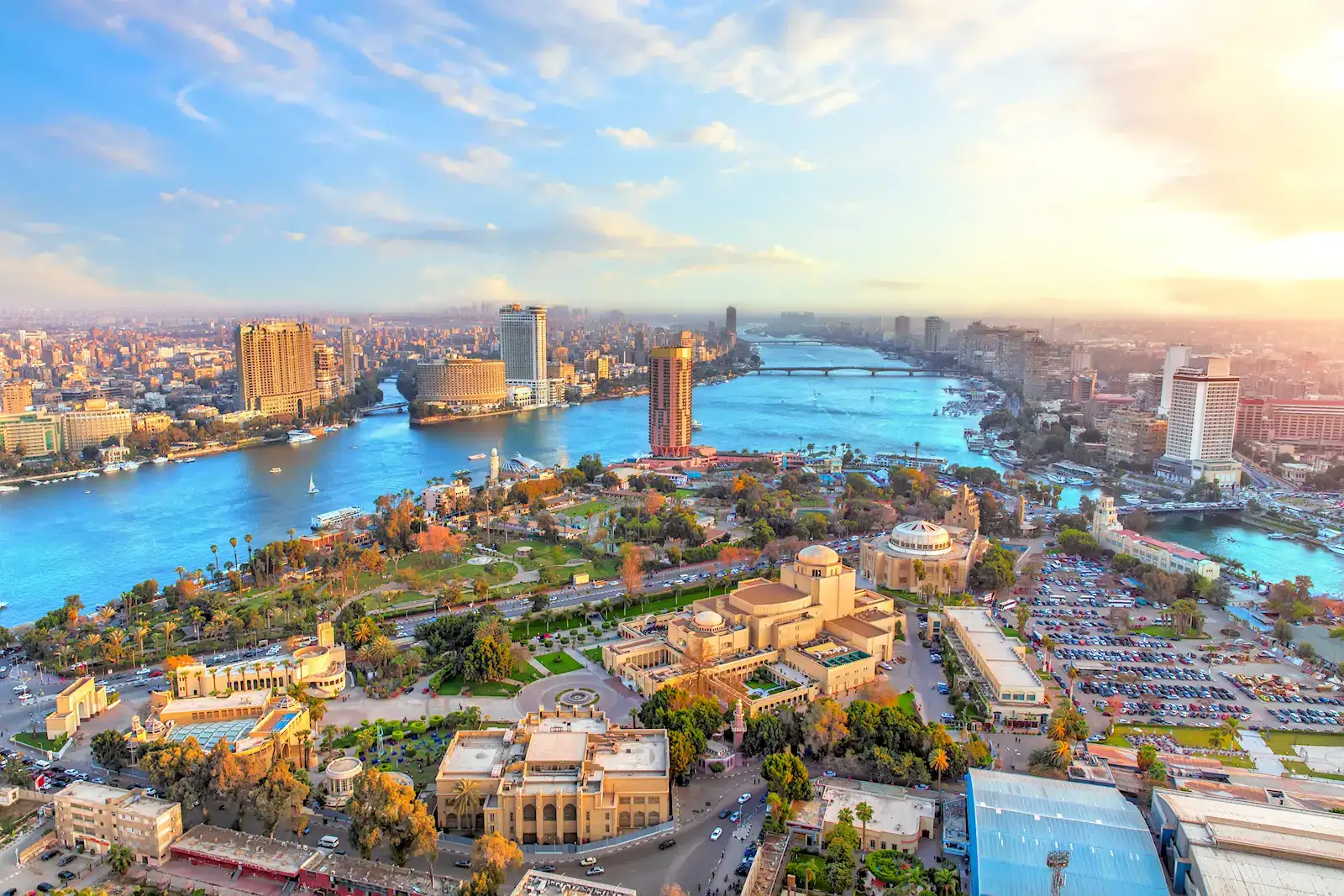
7-Day Egypt Itinerary: Cairo, Luxor and Aswan
A flexible 7-day Egypt itinerary combining Cairo and the pyramids with Upper Egypt and a Nile cruise. Adapt the day-by-day outline to your own dates and pace.
Egypt Travel Tips for First-Time Visitors
Practical, no-nonsense Egypt travel tips for first-timers: money and tipping, dress, staying healthy, getting around, and travelling respectfully.
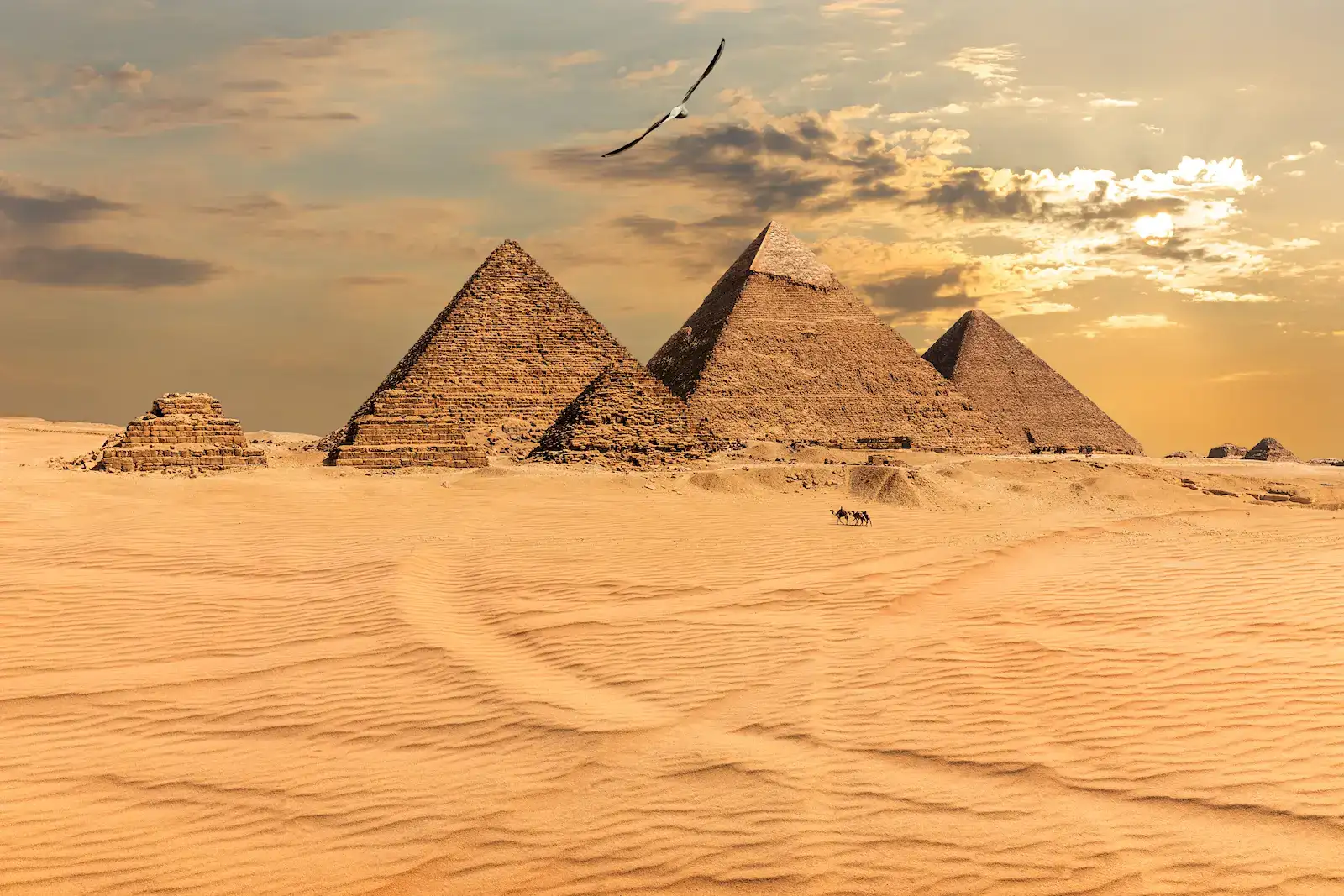
Best Time to Visit Egypt: A Season-by-Season Guide
When to visit Egypt depends on heat, crowds and budget. Here is how the seasons compare so you can pick dates that match the trip you want.