
Solo Female Travel in Egypt: Local Advice for Women Visitors
In short
Honest local advice for women visiting Egypt solo, including safety, clothing, transport, unwanted attention, hotels, guides, and cultural expectations.
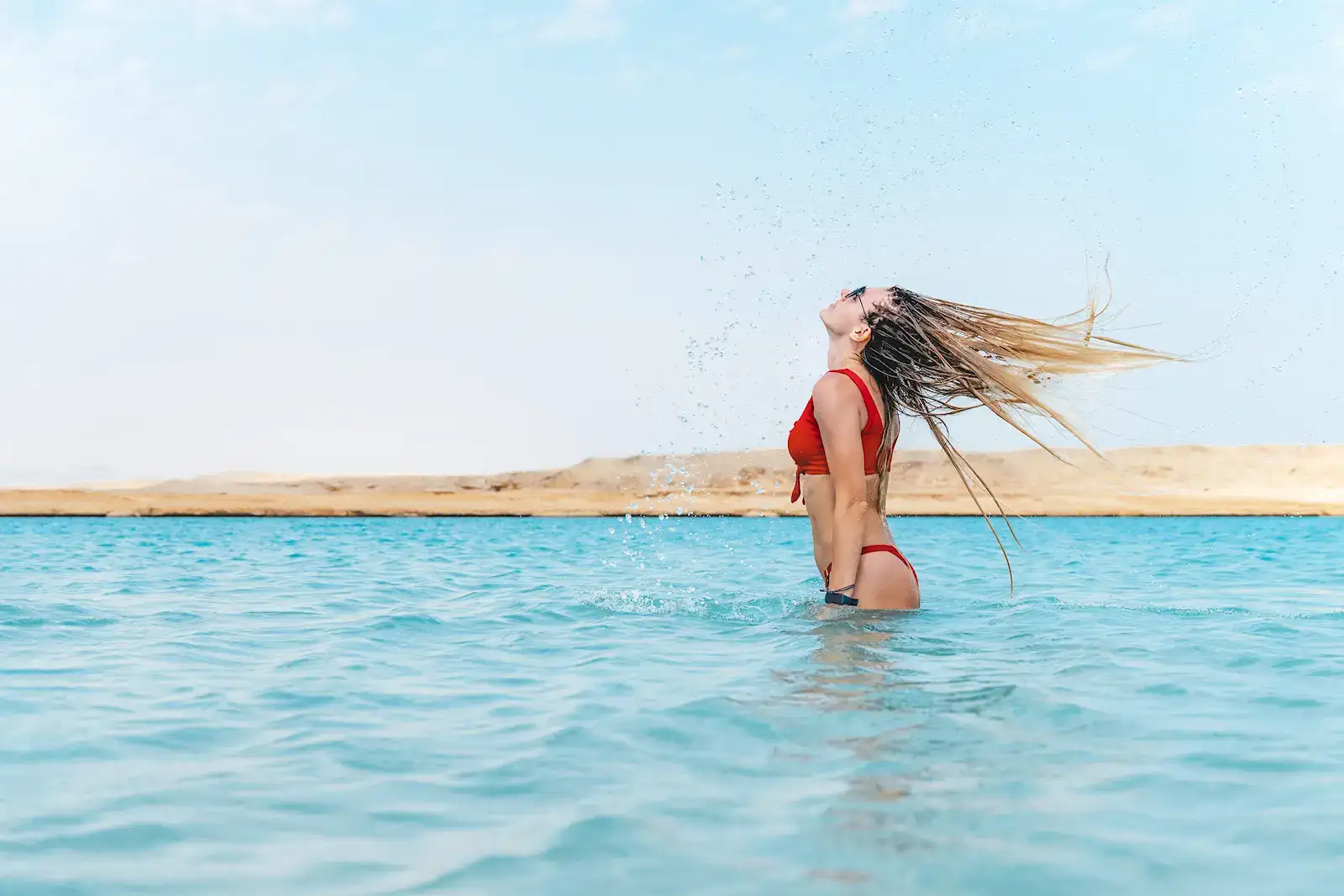
Women travel through Egypt alone every single day: backpackers on the Cairo metro, retirees on Nile cruise sun decks, businesswomen in Zamalek cafés. The country that crowned Hatshepsut is not off-limits to you. But we will not pretend it always feels effortless. Egypt is loud, warm, curious and persistent, and as a visiting woman you will be noticed. The difference between a stressful trip and a great one is mostly knowing in advance what is normal, what is negotiable, and what your options are. That is what this guide is for.
Who this is written for
First-time women visitors, travelling alone or as a group of women, who are excited about Egypt but have read mixed things online. The advice comes from people who live and work here, and it aims to be honest in both directions: no fearmongering, no rose-tinting.
The honest answer: can women travel solo in Egypt?
Yes. Thousands do, and most go home glad they came. Egypt’s main tourist circuit (Cairo and Giza, Luxor, Aswan, the Nile cruise route, and the Red Sea resorts) is well travelled, heavily staffed and used to independent women visitors.
The equally honest second half: you should expect more attention than you get at home. Staring is common. Comments happen. Vendors are persistent in a way that can feel personal even when it is purely commercial. Most of what bothers women travellers here sits in the category of annoying, not dangerous, and it drops sharply once you are inside sites, hotels, cruises and restaurants.
It helps to separate two different things:
- Normal travel discomfort: staring, “welcome to Egypt!” called out for the tenth time, sellers walking alongside you, personal questions (“Are you married? Where is your husband?”), requests for selfies. Tiring, but not a threat.
- Actual warning signs: someone who follows you after a clear no, steers you away from busy areas, insists on guiding you somewhere “closed” or “special”, or touches you. These are rare, and they are your cue to leave, loudly if needed, toward staff, security or any busy public space.
Check your official travel advisory
Safety conditions and entry rules can change. Before you book, and again before you fly, read the latest Egypt advice from your own government’s travel advisory service. This guide is practical local context, not a substitute for official sources.
What feels different for women in Egypt
A few things genuinely are different here, and naming them upfront makes them easier to handle:
- You will be looked at. Especially outside resort areas, and especially if you are obviously foreign. Staring is not considered as rude in Egypt as it is in some countries. It rarely means anything beyond curiosity.
- Questions get personal fast. Marriage, children, religion. For most Egyptians this is friendliness, not interrogation. You can answer, deflect with humour, or invent a husband who is “back at the hotel”. All three work.
- Selling is a contact sport. At bazaars and around big sites, a moment of eye contact is an invitation to negotiate. It stops being overwhelming once you realise it is a script, and you are allowed to break it by smiling, saying no, and continuing to walk.
- Photo requests happen. Families may ask for a picture with you. It is almost always innocent. Agree if you are comfortable, decline if you are not, and treat anyone who photographs you without asking as you would at home.
When something tips from friendly to uncomfortable, you do not owe anyone a conversation. Egyptians around you, especially women and families, will usually take your side instantly if you make a fuss.
What to wear in Egypt as a woman
Modest dress is the single highest-leverage choice you can make: it reduces attention, keeps you comfortable in the sun, and reads as respect. It does not mean covering your hair, except inside mosques. A practical breakdown:
- Cairo streets: loose trousers or a midi/maxi skirt with a top that covers shoulders and chest. Light, breathable fabrics beat tight ones in both heat and attention. Locals dress stylishly; “modest” does not mean drab.
- Pyramids and temples: the same baseline plus serious sun protection: a hat, sunglasses and closed walking shoes for sand and uneven stone. There is no religious dress code at ancient sites; the sun is the authority there.
- Mosques: covered hair, shoulders and legs for women, shoes off at the door. Carry a scarf in your day bag and you are always ready; major mosques often lend robes if needed.
- Nile cruise: relaxed on board, where sundresses and swimwear at the pool deck are normal, and modest again for the temple stops along the way. Our Nile cruise guide covers how the cruise days are structured.
- Hurghada and Sharm el-Sheikh resorts: inside resort grounds and on excursion boats, normal beachwear is expected and unremarkable. Cover up for trips into town, which are ordinary Egyptian streets.
The scarf is the multitool
One large light scarf covers mosque visits, sun on your neck, cold air-conditioning on trains and buses, and any moment you would simply rather have a layer. Never travel Egypt without one.
Getting around safely
Transport is where a few habits do most of the work:
- Use Uber or Careem in Cairo and Alexandria instead of flagging street taxis. The route is tracked, the driver and plate are identified, no fare haggling, and you can share the trip with a friend in the app. Check the plate matches before you get in.
- Sit in the back seat. It is the normal place for a woman travelling alone and keeps the interaction comfortable on both sides.
- Where apps do not operate, in smaller towns or for long transfers, have your hotel or a reputable operator arrange the car, and agree the arrangement before you set off.
- The Cairo metro has women-only carriages, usually in the middle of the train and signed on the platform. Any carriage is permitted for women, but many female travellers prefer them at rush hour, when the rest of the train is extremely crowded.
- Avoid isolated movement late at night. Egypt’s cities stay awake late and well-lit main streets are generally lively, but a quiet unfamiliar street at 2am is a bad idea here for the same reasons it is anywhere. Time long transfers for daylight where you can.
Handling unwanted attention
The skill is not avoiding attention completely (you cannot), it is spending as little energy on it as possible:
- Keep answers short and firm. “No, thank you”, said once while you keep walking, ends most interactions. La shukran (Arabic for “no thank you”) works even better and usually earns a smile.
- Do not over-explain. Every additional sentence is read as the negotiation continuing. You do not need a reason, an apology, or a “maybe later”, which is heard as “yes, later”.
- Use sunglasses and forward momentum. Most street attention needs eye contact to start. Deny it the opening and it largely stops.
- If someone persists, step toward other people: a family, a shopkeeper, site staff, tourist police, hotel reception. Saying “this man is bothering me” out loud is socially powerful in Egypt; bystanders will get involved on your behalf.
- Be slow to share contact details. A friendly chat does not require your WhatsApp number or Instagram. “I don’t use it” is a complete sentence, and handing your number to a stranger invites a stream of messages you do not want.
Hotels, guides, drivers and excursions
The people you hire shape your trip more than anything else, so choose them deliberately:
- Book reputable, reviewed providers for hotels, guides, drivers and day tours, and favour licensed guides. Recent reviews from other women are worth more than any star rating.
- Keep boundaries professional and clear. The overwhelming majority of staff are exactly that, professional. If a guide or driver turns the conversation personal or romantic, name it once (“please keep this professional”) and report it to the company if it continues. Reputable operators take this seriously.
- Do not let staff into your room unnecessarily. Take luggage help to the door, accept deliveries at the door, and use the door latch. This is ordinary solo-traveller practice anywhere, not an Egypt-specific worry.
- Consider a private guide or driver for specific moments: your first day in Cairo, the Giza plateau, Luxor’s West Bank, and any late-night airport transfer. Many confident solo women travel independently and buy these few days of friction-removal, especially at the start of the trip.
Tourist sites: pyramids, temples and markets
The big sites are safe in the meaningful sense, but they are also where the hustle is most concentrated:
- Beware “free” help. Anyone who appears beside you to point the way, open a gate, take your photo or “show you the best angle” expects a tip, and the price of the favour is set after you accept it. A cheerful la shukran before the favour lands is the whole game.
- Camel, horse and photo offers at Giza are persistent. If you want a ride, arrange it through your guide or a fixed kiosk rather than a man who approaches you, and agree the price and the dismount before you get on.
- Skip the isolated corners alone. Empty side chambers, quiet dune viewpoints and “special tombs” a stranger wants to unlock for you are better visited with a guide or another traveller nearby.
- In busy markets like Khan el-Khalili, keep your bag zipped and worn in front in crushes, and treat the alley a seller invites you down (“my shop is just here”) as optional. The main lanes are lively, photogenic and fine.
- At mosques, follow the dress rules above, keep your voice low, and avoid visiting during prayer times. Respect opens doors here, sometimes literally.
Resorts are different, but not risk-free
Hurghada, Sharm el-Sheikh and the other Red Sea towns run on international tourism, and the atmosphere inside resorts is far more relaxed: swimwear at the pool, cocktails at the bar, staff used to guests from everywhere.
Keep two things in mind. First, the relaxed rules live inside the resort and on boats; the town outside is an ordinary Egyptian street and deserves the same modest baseline as Cairo. Second, the usual boundaries still apply with animation staff, excursion sellers, dive instructors and people you have just met: alcohol, beaches and holiday mood do not change the basics of looking after yourself. Book excursions through the hotel desk or a licensed operator, not a stranger on the beach.
A practical local checklist
Before you head out each day:
- Take your hotel’s card (or save its name and location in Arabic) so any driver can get you home.
- Keep your phone charged and carry a small power bank.
- Download an offline map of the city you are in.
- Carry small cash for tips, toilets and taxis, separate from your main money.
- Keep a copy of your passport on your phone and leave the original in the hotel safe unless you need it.
- Save key numbers: your hotel, your guide or operator, and your country’s embassy in Cairo. Egypt also has a dedicated tourist police presence at major sites.
- Tell someone your plan for the day, even informally, and share live trip status on longer rides.
- Trust your instinct. It is data. If a situation, street or person feels off, leave early and without apology. You never have to be polite at the cost of feeling safe.
Planning your route as a solo woman
Most of what makes a solo trip to Egypt feel easy is decided before you land: which neighbourhoods you sleep in, how you cover the long distances, whether a guide meets you on day one. Start with the practical basics in our Egypt travel tips hub and the first-time visitor essentials, then shape the route itself with the Egypt travel planning guide.
And if you would like local help shaping a smoother route, especially for Cairo, Giza, Luxor or late-night transfers, you can request a custom Egypt itinerary and we will help you plan around the parts that feel daunting.
Frequently asked questions
Is Egypt safe for solo female travellers?
Many women visit Egypt alone every year and have rewarding trips, especially in the main tourist areas. The honest picture is that you should expect more attention than at home, including staring, comments and persistent selling, which is usually annoying rather than dangerous. Sensible routines, modest dress, app-based taxis and reputable providers handle most of it. Always check the official travel advisory for your nationality before you book and again before you fly.
What should women wear in Egypt?
Lightweight clothing that covers shoulders and knees is the practical baseline in cities and at ancient sites, both out of respect and because it works better in the sun. Carry a scarf for mosques, where covered hair, shoulders and legs are expected for women. Inside Red Sea resorts, dress codes are far more relaxed, with normal swimwear by the pool and beach.
Is Cairo safe for women travelling alone?
Cairo is a huge, busy, heavily policed city, and the tourist districts see solo women visitors daily. Most issues women report are unwanted attention and hassle rather than physical danger. It feels much easier with a few habits: use Uber or Careem rather than flagging street taxis, avoid quiet streets late at night, and plan your first day with a guide or driver if arriving feels intimidating.
Should women use Uber in Egypt?
App-based rides through Uber or Careem are the transport most women visitors settle on in Cairo and Alexandria, because the route is tracked, the driver is identified, and there is no fare negotiation. Sit in the back, check the plate before getting in, and share your trip status with someone. In cities without ride apps, ask your hotel to arrange a car.
Can women visit mosques and temples comfortably?
Yes. Women visit Egypt's mosques, temples and tombs every day. At mosques you will be expected to cover hair, shoulders and legs, and to remove shoes; some lend robes at the entrance. Ancient sites have no religious dress code, so the priorities there are sun protection, comfortable shoes and the same modest baseline you wear in the street.
Is a private guide worth it for solo women in Egypt?
For many women, yes, at least for parts of the trip. A good licensed guide or a pre-arranged driver absorbs almost all of the hassle at busy sites like the pyramids, handles vendors in Arabic, and removes the logistics stress of late arrivals and long transfers. Many solo women book a guide for day one in Cairo and at Giza, then travel more independently once they have found their feet.
Related guides
Egypt Travel Tips for First-Time Visitors
Practical, no-nonsense Egypt travel tips for first-timers: money and tipping, dress, staying healthy, getting around, and travelling respectfully.

Best Time to Visit Egypt: A Season-by-Season Guide
When to visit Egypt depends on heat, crowds and budget. Here is how the seasons compare so you can pick dates that match the trip you want.